
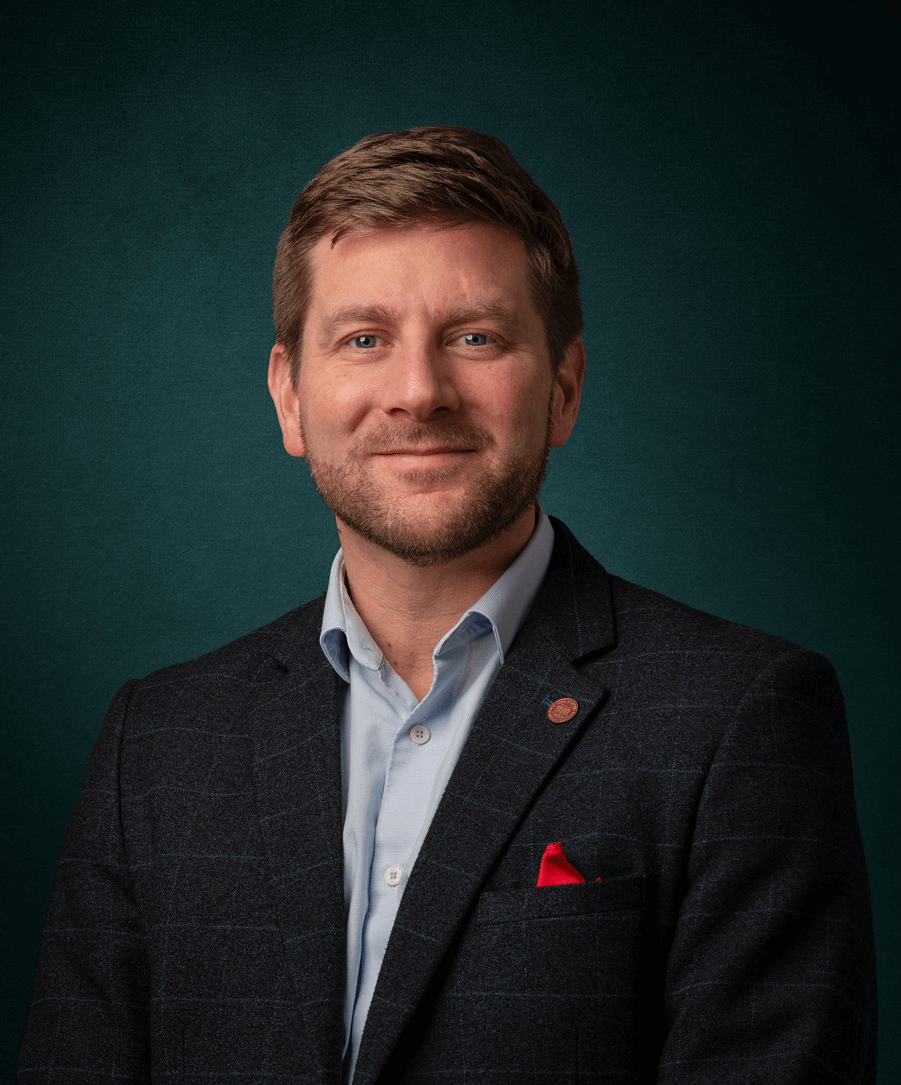
Written by Ewan Anderson
26 Mar 2024
Bridging the Gap: How to Manage a Multigenerational Workforce

Today’s workplaces are filled with a diverse mix of generations, each with its own values and motivations. From the experienced Silent Generation to the tech-savvy Generation Z, it’s crucial to navigate these differences to foster a collaborative and productive environment.
Even the way employees express frustration with work is changing. Take ‘QuitTok’ for example, a social media trend where frustrated employees (often Gen Z) document their resignations, highlighting the changing work landscape where transparency and feeling valued are increasingly important.
What are the 5 generations in the workplace?
- Silent Generation (Traditionalists): Born between 1928-1945 (though the youngest are in their late 70s, some may remain in the workforce)
- Baby Boomers: Born between 1946 and 1964
- Generation X: Born between 1965 and 1980
- Millennials: Born between 1981 and 2000
- Generation Z: Born between 2001 and 2020
How to motivate different generations in the workplace
Motivating a multigenerational workforce requires an in-depth understanding of what drives each generation. Here is a general breakdown of some key motivators and strategies to consider:
Silent Generation (Traditionalists)
Motivators: Stability, security, recognition of experience, meaningful work that contributes to the bigger picture. Strategies: Offer opportunities to mentor younger employees, publicly acknowledge their achievements, Set out clear objectives and performance expectations.
Baby Boomers
Motivators: Work-life balance, competitive opportunities, feeling valued and respected, contributing to a legacy.Strategies: Offer flexible working arrangements, create opportunities for professional development, celebrate team achievements, involve them in strategic planning.
Generation X
Motivators: Autonomy, work-life balance, clear goals and expectations, a sense of accomplishment.Strategies: Delegate tasks and empower decision-making, provide clear feedback and performance reviews, offer opportunities for professional development in their area of expertise.
Millennials:
Motivators: Purpose-driven work, a sense of belonging and collaboration, opportunities for learning and growth, feedback and recognition. Strategies: Offer opportunities to work on projects with a social impact, create a collaborative work environment, provide regular feedback and coaching, invest in professional development opportunities.
Generation Z:
Motivators: Work-life balance, flexibility, authenticity and transparency, a fast-paced and stimulating work environment.Strategies: Offer flexible working arrangements, prioritise remote work options, create a culture of open communication, provide opportunities for rapid skill development through challenges and projects.
How to manage different generations in the workplace
- Embrace Diversity: View generational differences as strengths, not challenges.
- Tailored Communication: Use a variety of communication methods (email, meetings, instant messaging) to cater to different preferences.
- Flexible Work Arrangements: Offer options like remote work, flexible hours, or compressed workweeks to accommodate various needs.
- Recognition and Feedback: Recognise achievements publicly for older generations, and provide frequent, specific feedback for younger generations.
- Professional Development: Invest in training and development opportunities that cater to different learning styles and career goals.
- Mentorship Programs: Pair experienced employees with younger generations to encourage knowledge sharing and relationship building.
- Open Communication: Encourage open communication about work styles, needs, and preferences.