

How to Stop Candidates From Ghosting You

When a candidate ghosts you, it can be a very frustrating experience. If you’ve been ghosted by a candidate, here are some steps you can take to prevent it from happening again.
What is ghosting?
When someone ghosts you, they stop replying to your messages, they don’t answer calls - they stop all forms of communication.
There’s never any explanation - they just disappear without a trace… like a ghost.

What is candidate ghosting?
Candidate ghosting means a job applicant either doesn’t show up to an interview, or doesn’t respond to a job offer.
When a candidate ghosts an interviewer, it can cause delays and cause HR and hiring teams to fall behind on their recruiting efforts. Ultimately, this negatively impacts companies and reduces productivity.
Why do candidates ghost?
Candidates can ghost businesses for a whole variety of reasons. Here are some common reasons:
- they accepted another job offer
- they decided the role wasn’t suitable
- they missed the interview and they’re embarrassed
- they’ve decided to stay in their current role
- they used your job offer as leverage
- they didn’t enjoy the interview
- they got a bad feeling about the company culture
Frustratingly, because the candidate has cut off communication, it’s difficult to understand the reason they ghosted.
What’s the impact of ghosting?
The most obvious impact of ghosting is the waste of time. You could spend months sourcing credible candidates, meeting them for interviews, and even get to the package negotiation stage just to have them go silent.
The wider impact includes the cost of hiring, wasted resources, and of course, the prevailing issue of an unfilled role.

How can you stop candidate ghosting?
Although you can’t stop all candidates from ghosting, there are a few things you do to encourage applicants not to vanish in a puff of smoke.
Avoid interview red flags
We polled 1000 UK workers to discover the interview practices that made candidates hesitant to accept a job offer. They included:
- Being late to the interview
- Not having read their CV
- Changing the scope of the job role
- Displaying a dismissive attitude
For more on interview red flags and how to avoid them, read our report into how to interview candidates.
Avoid 'family' references
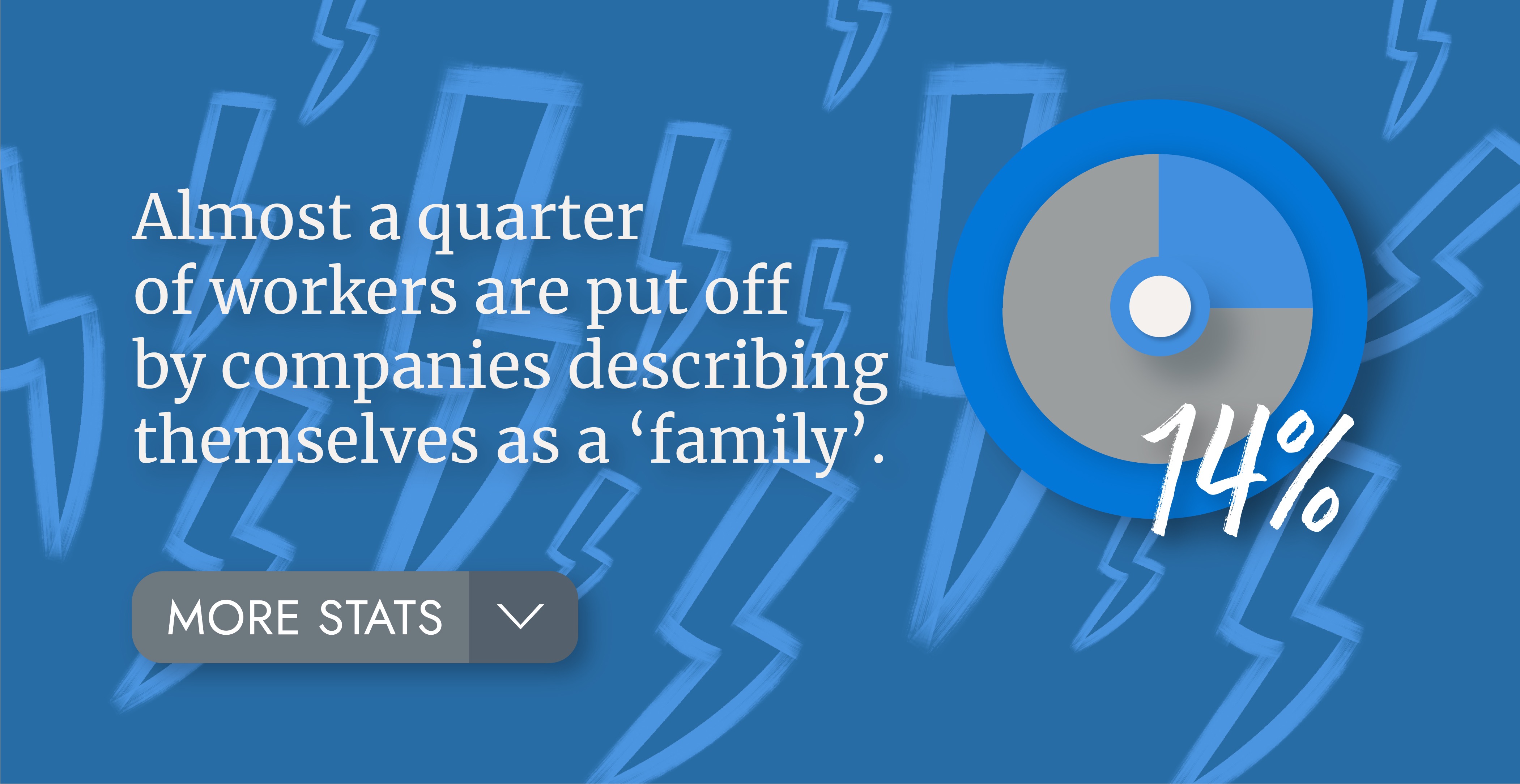
According to our recent research, almost a quarter of workers are put off by companies describing themselves as a ‘family’.
While it might sound positive, a ‘family’ working culture can create unhealthy expectations and poor personal boundaries. A ‘sports team’ approach, where each member contributes individually to a common goal, is often a better option.
Keep your communication consistent
If you’re in regular contact with candidates and get in touch when you promise to, candidates will feel more obligated to stay connected.
Ask for opinions
Get clear on what candidates are seeking in a role, and reflect on whether your offer meets their expectations. Remember, the candidate might not tell you they’re unhappy, so make sure you’re clear on whether you can meet expectations.
Ask them to stay in contact
Sometimes the best way to get candidates not to ghost you is to… ask them not to ghost you. Explain that if, at any point in the process they change their mind about the opportunity, you would really appreciate a heads up. This might not work every time, but it certainly can’t hurt.
Recognise when you’re being ghosted…
…and move on. Don’t assume that the candidate will get back in touch with you and that the hire is in the bag. If a candidate is wasting your time, then your energy is better spent on finding a more suitable applicant elsewhere.
Don’t ghost
You might have been ghosted, but don’t ghost your candidates. Companies get bad reputations for ghosting applicants and wasting their time, too. Avoid that by keeping your candidates informed of the result of their application.
Finding the right candidates
If you want to find the best talent for your team, learn all about how to interview candidates in our new report.