

Upskilling the Workforce: Scotland's Food Manufacturing Future

Upskilling The Workforce
Scotland’s food and drink sector is the nation's largest manufacturing employer. With around 120,000 people employed across the industry, including 47,000 in direct manufacturing roles, it contributes significantly to the Scottish economy, including through global exports.
However, the sector’s growing challenges, particularly around workforce shortages and shifting skills requirements, risk its future position as a major economic player.
Labour shortages are already having a tangible impact. In Scotland, projections indicate a pressing need to recruit 7,000 new workers by 2033, with an additional 1,600 required in the medium term to replace those exiting the workforce. Areas like engineering, production, technology, automation, and quality assurance are experiencing the most acute shortages.
Further, the nature of work in food and drink manufacturing is evolving rapidly, with increasing automation and digital transformation redefining job requirements. Forecasts show that the majority of future roles will require more advanced qualifications, at SCQF Level 7-10, indicating a shift towards a more technically skilled workforce.
Across the UK, the food and drink sector has lost an estimated £1.4 billion in output due to unfilled roles.
In previous articles in this series, I’ve explored the scale of the sector’s talent shortage in Scotland and strategies to attract top talent to our industry. In what follows, I focus on what I believe is our most immediate and practical solution: upskilling our existing workforce.
The evolving skills landscape
Science and technology professionals are expected to be the most in-demand occupation in the coming years, with digital literacy becoming a non-negotiable baseline. Skills like operating automated systems, implementing quality control technologies, and interpreting production data are becoming essential across roles.
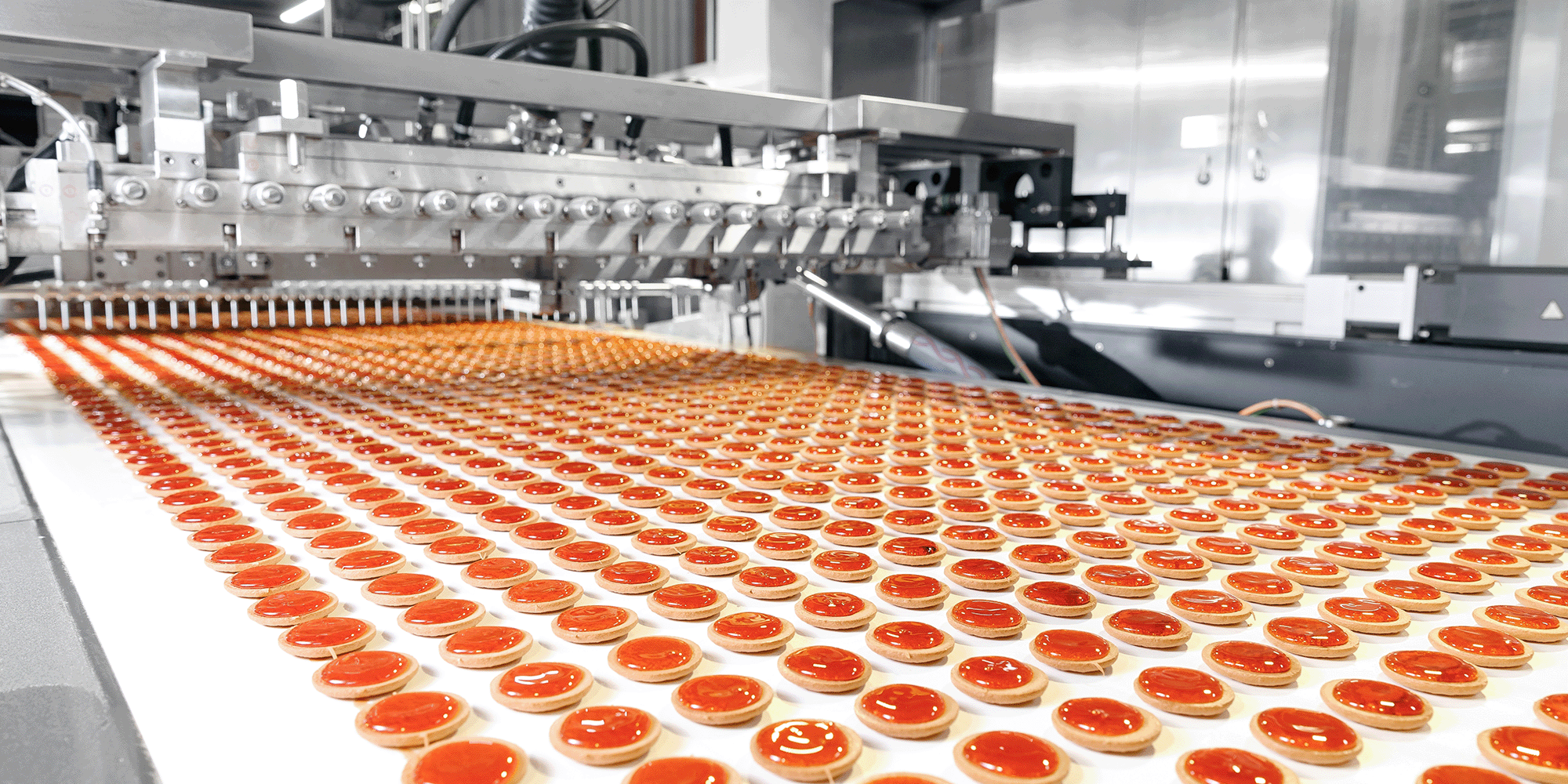
New automated technologies may offer some respite to labour shortages, but only if they are implemented wisely. From ingredient handling to packaging, automated systems are now able to take on a greater share of the workload. Robotic systems like Leap AI’s PikPak™ - a food-packing robot already in use in several UK factories - demonstrate how technology can increase precision and efficiency.
However, there's a critical catch: As Lisanne Bainbridge’s work over forty years ago in 'Ironies of Automation' observes, deploying automation without proper upskilling leaves systems vulnerable, and technology remains ineffective unless operators are well?trained. Technology alone cannot replace the knowledge, judgment, and adaptability of a well-trained human workforce. People must be empowered to use these systems effectively, turning technology from a cost into a competitive advantage.
Training and upskilling in action
Fortunately, examples of proactive upskilling are emerging across the sector. Leading drinks company Diageo has partnered with Heriot-Watt University to offer graduate apprenticeships in engineering and data, equipping students with both academic grounding and practical experience.
The Flexible Workforce Development Fund (FWDF) allows employers to build tailored training programmes through partnerships with Scottish colleges, ensuring training is aligned with specific business needs. Smart Hub Lanarkshire provides hands-on training in collaborative robotics (cobots), especially valuable for small and medium-sized enterprises (SMEs) seeking to modernise.
Additionally, the Scottish Manufacturing Advisory Service (SMAS) plays a vital role in guiding businesses through digital transformation, helping them assess readiness and implement sustainable change.
The importance of soft skills
While technical capabilities are in high demand, soft skills remain the human edge. A recent industry survey found that 82% of professionals believe soft skills are critical in hiring decisions. The most valued competencies include communication (31%), critical thinking (28%), leadership and problem-solving (24% each).
These skills underpin the sector’s adaptability, helping teams navigate compliance challenges, manage real-time changes on the production floor, and ensure seamless communication across departments and digital platforms. While supporting the existing workforce’s technical capabilities is essential, we should not underestimate the value of nurturing soft skills.
Upskilling: The path forward
To future-proof the workforce, food and drink manufacturing employers must take a proactive, strategic approach to upskilling.
Conducting internal skills audits allows employers to assess current capabilities and identify future gaps to inform training and hiring priorities. Engaging with training providers and funding schemes gives access to custom training solutions that meet core business objectives.
Investing in apprenticeships and ambassador programmes means companies can tap into talent pipelines and foster early interest in manufacturing, while establishing career development frameworks creates clear pathways for progression, enhancing motivation, retention and productivity.
Final thoughts
Scotland’s food and drink manufacturing sector stands at a crossroads. The demand for skilled workers is rising sharply, while the availability of qualified talent is shrinking. By embracing automation, investing in upskilling, and fostering both technical and soft skills, the industry can build a resilient workforce. The challenge is significant - but so is the opportunity.