

What to Wear to an Interview
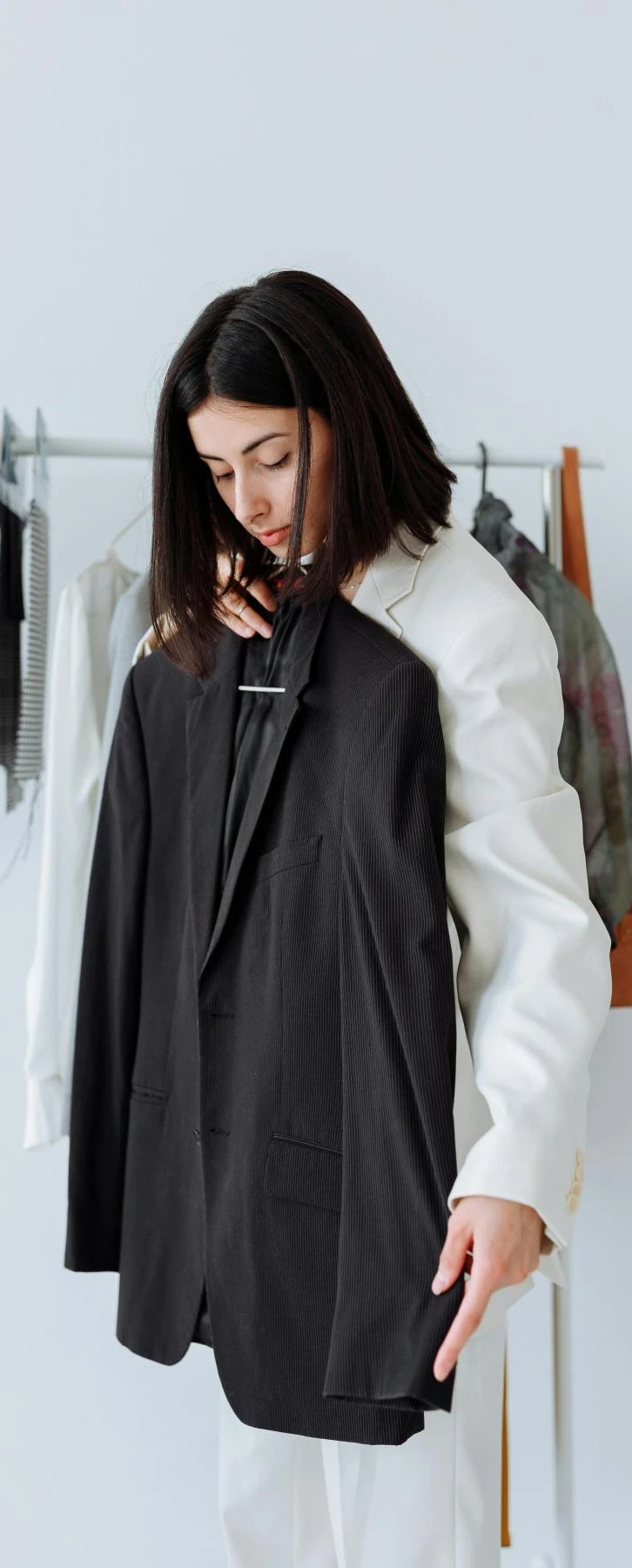
One of the most common questions candidates ask is: “What should I wear to my job interview?” We’ve seen it all - from tracksuits to three-piece suits. While there’s no one outfit that will guarantee you a job offer, there are a few tried-and-tested rules that can help you make the best impression.
Whether you’re applying for a corporate role or a casual job, here’s how to dress for an interview.
Safe bet outfits
If you’re not sure how formal the interview will be, and you haven’t received any guidance on what to wear, there are a few go-to outfits that work well in most situations.
These ‘safe bet’ outfits show that you’ve made an effort. They're neat, professional, and suitable for most roles, making them a safe choice if you’re unsure how casual or formal the company culture is.
For men / masculine dress style:
-
A shirt (not a t-shirt or polo shirt)
-
Smart trousers or chinos
- Lace-up shoes (avoid trainers)
-
Optional: blazer or smart jumper
Tip: Bring a blazer - you can always take it off if it feels too formal when you arrive.
For women / feminine dress style:
- A blouse, shirt or smart top (avoid t-shirts and strappy or low-cut tops)
- Smart trousers or a mid-length skirt or dress (avoid jeans or short skirts)
- Optional: blazer or cardigan
- Closed-toe flats or heels (avoid trainers or sandals)
Still not sure what to wear for your interview? Follow these interview fashion rules.
Research the company
Visit the company’s website or social media pages to see how current employees dress. Look for team photos or ‘Meet the Team’ pages. This can give you a clear sense of the company culture and help you match your outfit appropriately.
If the team’s style is more relaxed, you can lean toward smart-casual. If it’s more corporate, stick with formal attire.
Consider the role you’re applying for
Think about the type of job you’re applying for, and dress accordingly.
Executive-level roles: Stick to traditional formalwear - a suit and tie for men/masculine dress style, or a skirt suit, smart trousers, or office dress for women/feminine dress style.
Professional services (e.g. finance, law, admin): Opt for smart office wear. A shirt with suit trousers or skirt is appropriate. Ties and blazers are optional but recommended. Jumpers over shirts are fine, but try to avoid jeans.
Casual roles (e.g. retail, hospitality): It’s OK to dress a little less formally, and jeans are typically acceptable. That said, you won’t look out of place if opting for a more formal interview outfit.
It’s better to be overdressed than underdressed
You might be concerned about standing out too much in a formal outfit – especially if you would typically dress more casually. But dressing a little more formally than usual shows respect for the interview process.
Wearing formal clothing indicates that you’re serious about the role and that you care about making a good impression. Employers always appreciate a candidate who makes an effort.
Focus on looking presentable
You don’t need to worry about impressing your interviewer with expensive or high-end clothes. Just focus looking neat and tidy. A few simple steps can make all the difference:
- Wear freshly washed and ironed clothes to your interview
- Polish your shoes
- Use a lint roller before you leave to remove dust, hair and debris
- Avoid clothes with stains, holes or loose threads
- Make sure your hair, nails and general grooming look tidy
This basic level of dressing and grooming goes a long way, and can influence how seriously you’re taken in the hiring process.
Final thoughts
While your outfit won’t land you the job on its own, it can help you secure a good first impression. Dressing appropriately shows that you understand professional expectations and that you’ve put effort into preparing for your interview.
When in doubt, keep it simple, clean, and one step more formal than you would typically dress.