

Company Culture: Quick Guide

This guide provides an easy intro to company culture, why it’s important, and how you can make yours better. If you’d like to dive deeper into company culture, you’ll find links to relevant blogs and resources throughout this guide.
Table of contents
Company culture overview
Mission, vision and values
Assessing your company culture
Toxic workplace culture
Developing a positive culture
Implementing culture change
Monitoring and adjusting culture
Examples
Resources
Employee survey templates
Articles
Podcasts
FAQs
Company culture overview
What is company culture?A company’s culture is the set of shared values, beliefs, and practices that shape how people work together in an organisation. It influences everything from how decisions are made to how employees interact with one another.

Why company culture matters
A strong company culture is important because it has a huge effect on how the company operates. It impacts everything from the quality of a company’s products and services to employees’ experience working at the organisation.
Employee experience is connected to employee engagement, motivation and performance. When an employee’s experience is a positive one, they’re more likely to stay working at a company for longer.
Plus, a strong company culture adds to a positive employer brand, making it easier to attract top talent.
Assessing your company culture
Culture auditsA culture audit is a complete assessment of the current workplace culture. It involves reviewing policies, behaviours and employees’ experiences to spot gaps between the existing culture and the desired result.
Audits can be conducted internally or with the help of external consultants.
Read more: How to improve company culture at your organisation

Employee surveys
Regular employee surveys help companies understand how team members feel about the company culture. These surveys can uncover hidden problems, highlight what’s going right, and serve as a reference point for improvement.
Anonymous feedback is particularly effective because it makes people feel safe to give honest opinions.
Download: Employee survey templates
Toxic workplace culture
How to fix a toxic workplace cultureIt’s easy for a positive workplace culture to turn sour. It only takes a few missteps for a toxic workplace to develop.
A toxic workplace culture can manifest through negativity, a lack of respect or unproductive behaviours. It can decrease productivity and morale, and even cause good employees to quit their jobs.
Fortunately, fixing a toxic workplace culture is possible.
Read more: How to fix a toxic workplace culture
Bullying at work
Bullying is a significant contributor to a toxic culture.
Bullying at work can include:
- Harassment
- Undermining colleagues
- Unconstructive criticism
- Exclusion
Read more: Bullying at work - examples and prevention
Developing a positive culture
Leadership’s roleLeaders play a big part in setting and maintaining the company culture. They should lead by example and live the values they want to see in their organisation.
Clear communication
Clear and consistent communication helps to maintain a company’s culture. Regularly sharing updates with teams, including successes, challenges and changes in direction keeps people informed and reassured.

Read more: Improving company culture at your organisation
Acknowledging employee achievements
Recognising employees for their contributions reinforces a positive company culture. This can be achieved through rewards programmes, bonuses, or even simple gestures like a thank you note.
Read more: Acknowledging employee achievements
Professional development
Offering professional development opportunities shows employees that the company is invested in their success. This not only improves skills but also builds loyalty and engagement, contributing to a positive culture.
Implementing culture change
Onboarding programsOnboarding new employees is a great opportunity to immerse them in the company culture. A well-structured onboarding program should include an overview of your company’s mission, vision and values, and your code of conduct if you have one. This way, employees can understand your expectations from the offset, making for a smoother start.
Regular training sessions
Ongoing training helps to maintain a strong culture. These sessions can be used to remind teams of the company’s values. They’re also good opportunities to discuss cultural challenges that arise, such as negative attitudes or unkindness.

Team-building activities
Team-building activities can help employees to get to know each other a little better. In turn, this can improve collaboration and strengthen trust among team members. Team-building activities can range from icebreaker questions to more complex team challenges.
Read more: The best team building activities for company culture
Monitoring and adjusting culture
Continuous feedbackEstablishing a system for continuous feedback will help to make sure company culture remains a priority. A continuous feedback loop can include regular surveys, check-ins, suggestion boxes, or introducing digital platforms where employees can share their thoughts.
Download: Employee survey templates
Regular culture assessments
Periodic company culture audits or ‘temperature checks’ can help to identify trends and changes, letting the company make adjustments. These assessments can be done through surveys, interviews, or focus groups.
Flexibility and adaptability
As the company evolves, so should its culture. Adapting to changes and accommodating new employee expectations can keep the organisation’s cultural practices relevant.
Read more: Strategies for maintaining company culture
Examples
The best company culture examplesTo create a great company culture at your organisation, it’s worth taking a look at what other companies are doing well.
For example, engineering firm Arcadis has been hailed as a “truly people centric organisation with immense potential for individual growth”, while digital comms giant Cisco is praised for its “spot-on” work-life balance.
Read more: The best company culture examples
Tools
Culture analysis toolsToday, there are lots of tools that make it easier for companies to assess and improve their culture. These include survey tools, employee listening software, and HR data analysis tools.
Read more: The best survey tools for HR
Resources
Employee survey templates
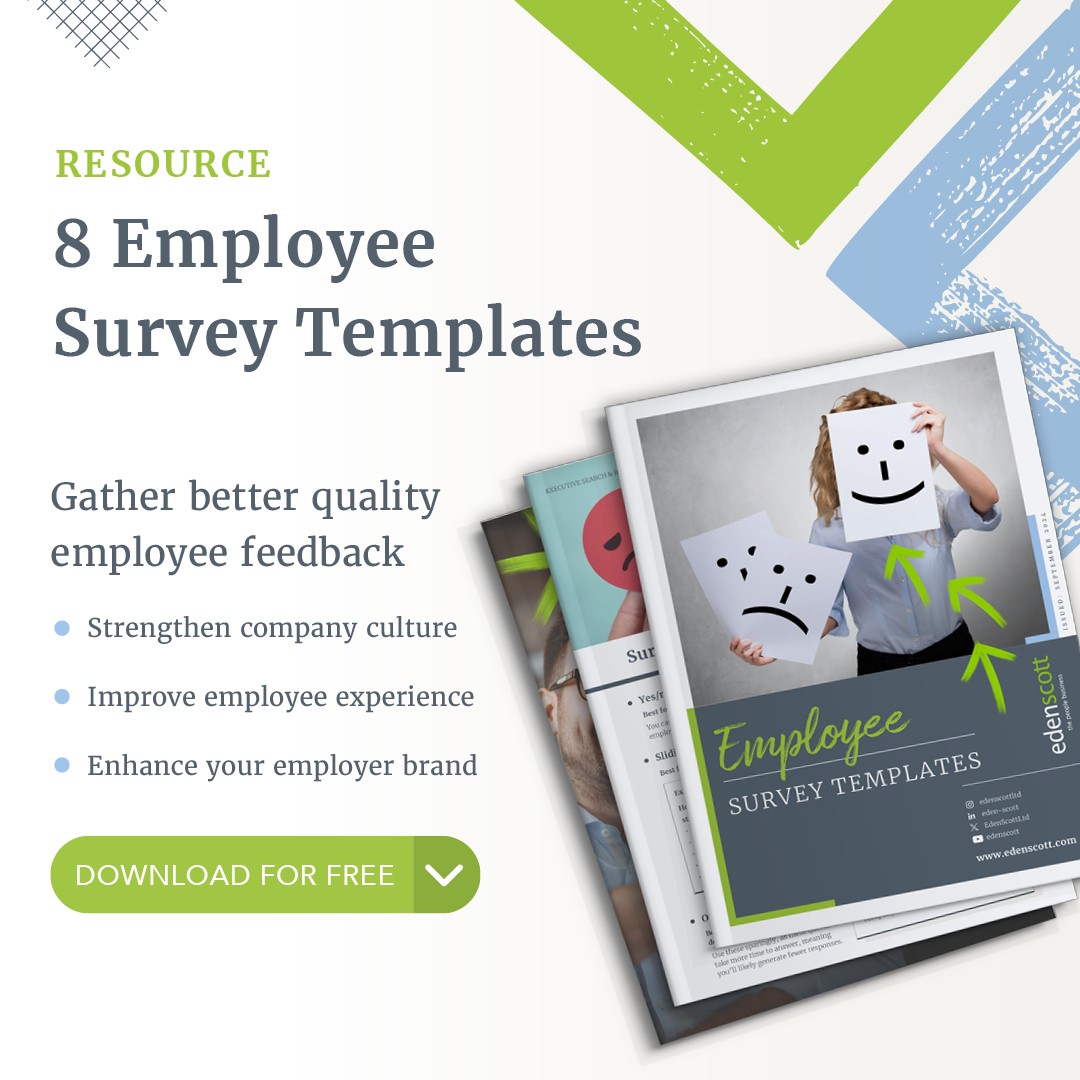
One of the best ways to gather feedback is by surveying your employees. There are several types of employee survey, including:
- Employee engagement survey template
- Employee satisfaction survey
- Culture and values survey
- Employee onboarding survey
- Exit survey
- Employee wellness survey
- Pulse survey
- Diversity and inclusion survey
Create your own survey using these free survey templates.
Download: Employee survey templates
Articles
Dive deeper into company culture with these in-depth articles.
How to Fix a Toxic Workplace Culture
Bullying at Work: Examples and Prevention
The Best Team Building Activities For Company Culture
Best Company Culture Examples
How to Improve Company Culture
Employee Recognition Tips
The Best Ways to Gather Employee Feedback
Podcasts
Listen to the Eden Scott podcast for tips on improving company culture.
Bullying in the workplace
Preventing employee burnout
How to maintain company culture as your business grows
The best HR Tech
Soft Fridays: A way to combat stress?
Protecting your business with a social media policy
FAQs
What is company culture, and why is it important?
Company culture refers to the shared values, beliefs and behaviours that shape how people interact and work together in an organisation. It affects everything from employee morale to business performance.
How does company culture influence recruitment and hiring?
A strong, well-defined company culture helps attract candidates who align with your values. It enhances your employer brand, leading to better quality hires and increased retention rates.
How can I assess the culture in my company?
You can evaluate your culture through employee surveys, culture audits, and feedback sessions. These tools help you understand how aligned your current culture is with your company’s values and goals.
What are the signs of a toxic workplace culture?
Indicators include poor communication, high turnover, lack of trust, micromanagement, bullying, and low morale. Addressing these early is essential for employee wellbeing and performance.
What role does leadership play in shaping company culture?
Leaders are cultural role models. Their behaviour, communication style, and decision-making processes set the tone for the rest of the organisation.
Can company culture change over time?
Yes. Culture is dynamic and should evolve alongside the company’s growth and challenges. Regular assessment and adaptation are key to maintaining a healthy culture.
Related reading:
1. Download: Employee survey templates2. The best ways to gather employee feedback
3. Best company culture examples
4.The best survey tools for HR